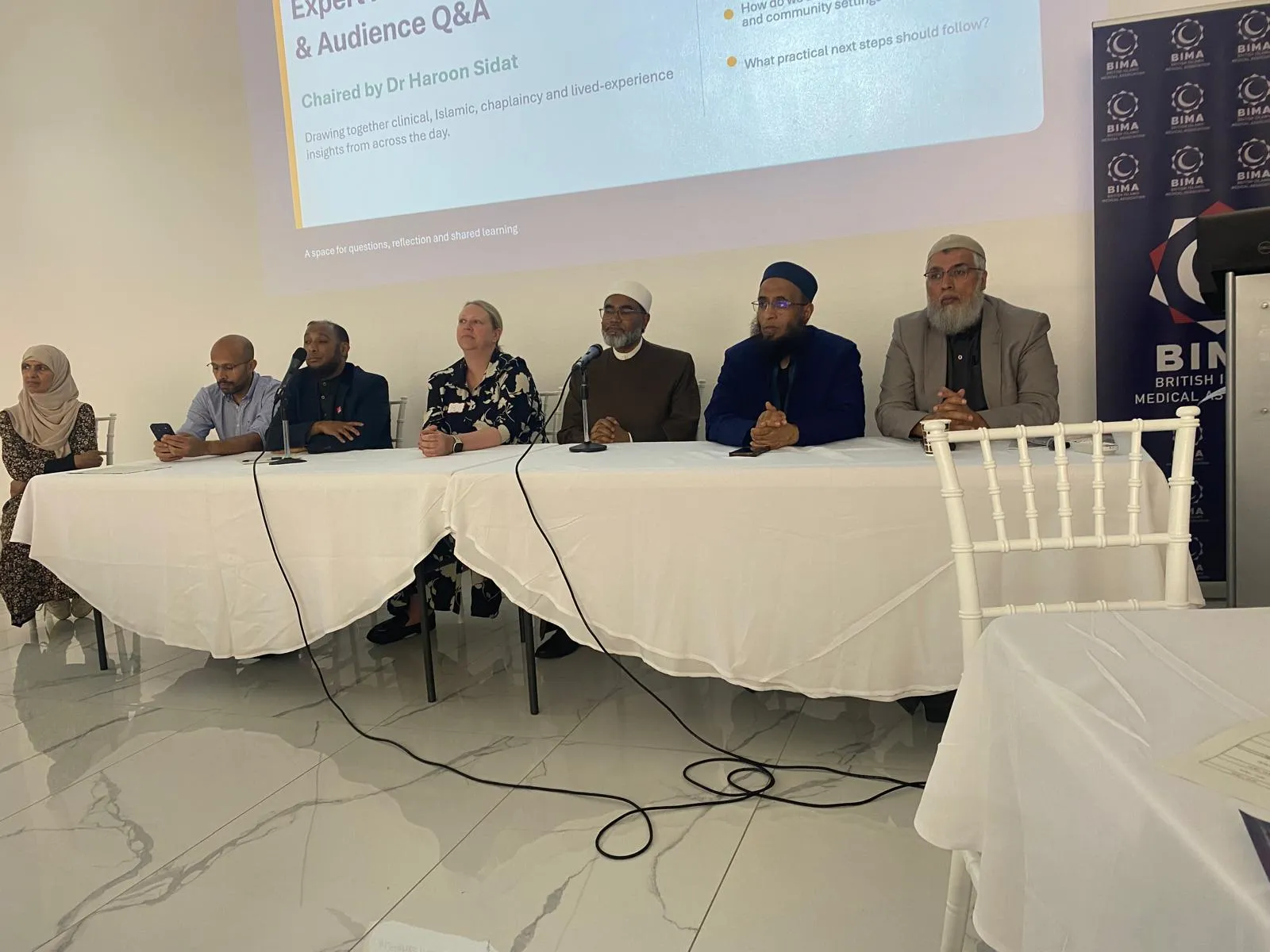
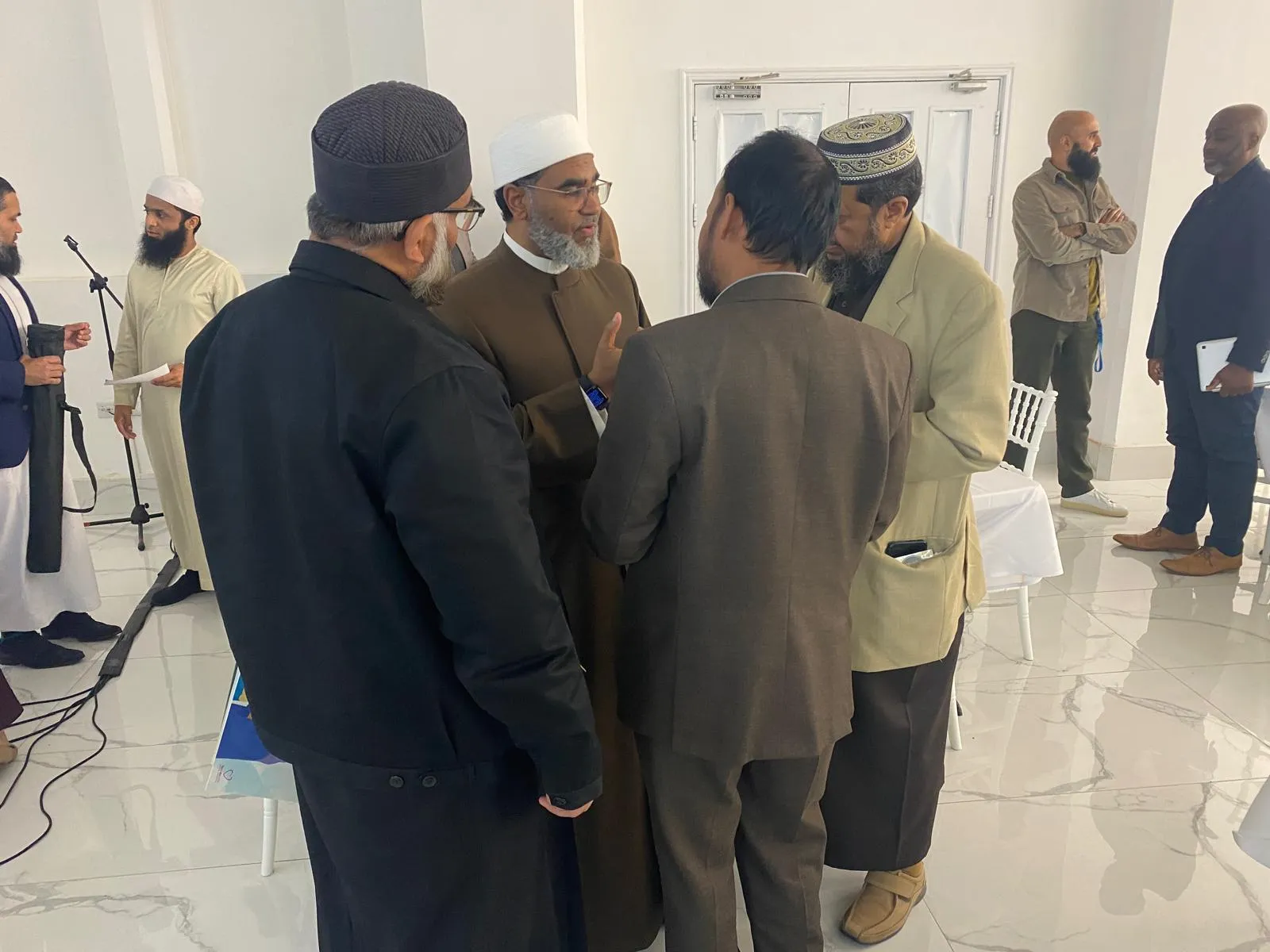
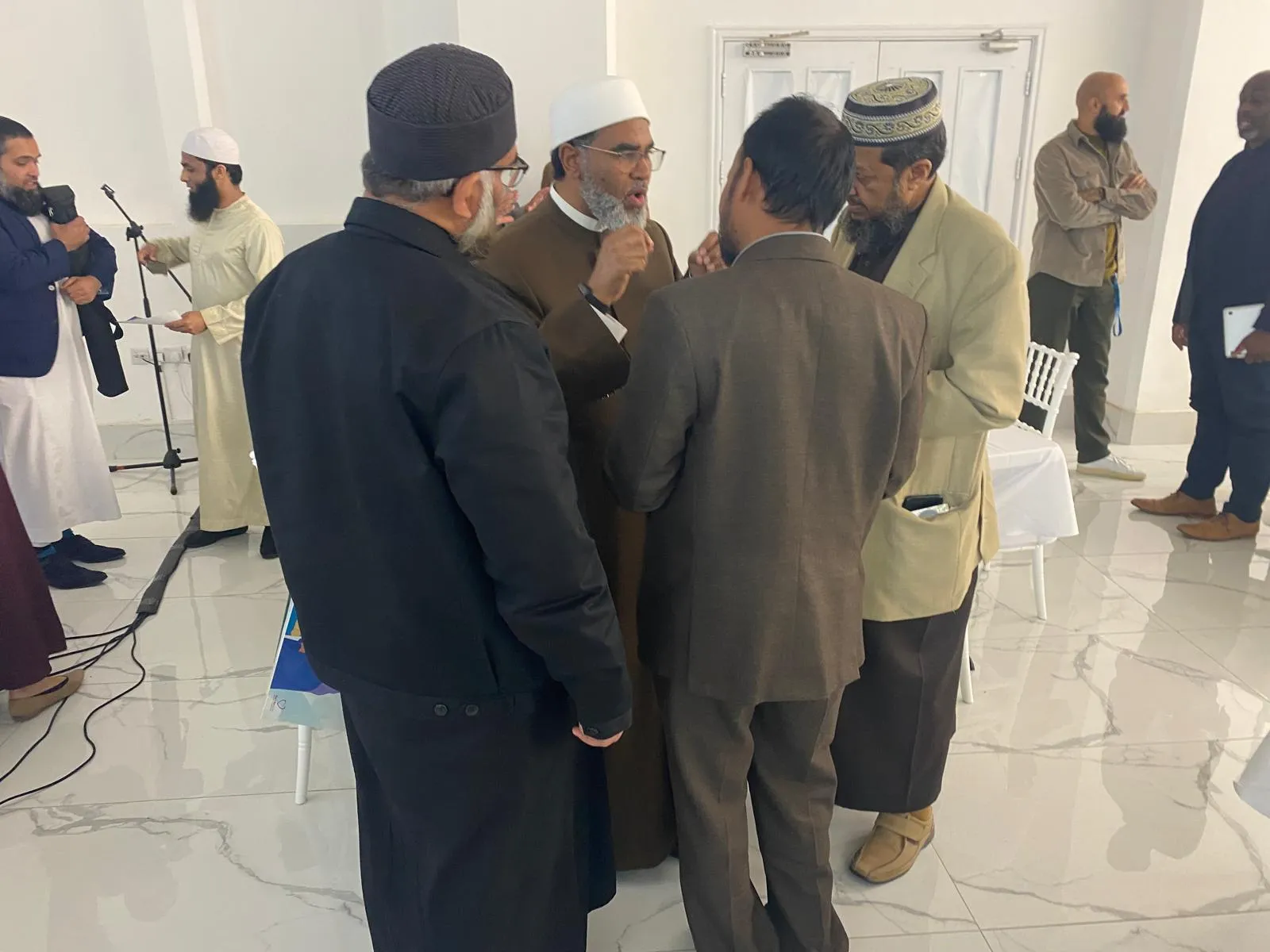
Prof. Dr. Sh Faid Mohammed Said, the Secretary General of the Commission of Fatwa and Sharia Affairs at the Islamic Cultural Centre and London Central Mosque, participated in the Muslim Chaplaincy Conference organised by the British Islamic Medical Association (BIMA) in Birmingham on Wednesday 17th June 2026. The conference brought together healthcare professionals, Muslim chaplains, scholars, and community leaders to discuss End-of-Life Care and Organ Donation from both Islamic and medical perspectives.
At the beginning of his presentation, Prof. Dr. Faid conveyed the greetings of the Islamic Cultural Centre and London Central Mosque to the organisers and participants, expressing appreciation for the dedication and service of healthcare professionals whose work embodies compassion, care, and the preservation of human life.
He highlighted the central place of safeguarding life in Islamic teachings, referring to the Qur’anic verse:
“Whoever saves a life, it is as if he has saved all of mankind.” (Qur’an 5:32)
He also cited the saying of the Prophet Muhammad ﷺ:
“Seek treatment, O servants of Allah, for Allah has not created a disease except that He has also created its cure.”
During his address, Prof. Dr. Faid discussed contemporary issues relating to end-of-life care and organ donation, emphasising that these subjects have been extensively studied and deliberated upon by major international fiqh academies and recognised scholarly institutions across the Muslim world. He stressed that emerging medical and ethical questions should not be approached through isolated individual opinions, but rather through collective ijtihad and scholarly engagement that brings together jurists, medical experts, ethicists, and specialists from relevant disciplines.
Prof. Dr. Faid also highlighted the pioneering work of the Islamic Organization for Medical Sciences in Kuwait and other leading scholarly bodies that have devoted decades of research, conferences, and academic deliberation to contemporary medical issues and their Sharia implications. He encouraged greater collaboration with such institutions and greater benefit from their accumulated expertise and scholarly resolutions.
He further expressed the readiness of the Islamic Cultural Centre and London Central Mosque to host and facilitate future forums, seminars, and conferences addressing contemporary medical and ethical challenges in cooperation with major Islamic organisations, fiqh academies, and professional medical associations, with the aim of promoting informed dialogue and serving both the Muslim community and wider society.
The conference concluded with appreciation for the efforts of BIMA in providing an important platform for meaningful discussion on issues that touch upon human dignity, healthcare, faith, and the sanctity of life.


The remit of the Commission is as follows:
The Commission shall exclusively provide advice and services that pertain solely to Sharia law (Islamic law).
The Commission and its esteemed panel members are not permitted to extend their advice or services to matters that intersect with the laws of England and Wales. Consequently, the following matters fall under the jurisdiction of the laws of England and Wales:
1. Financial relief or any financial matters governed by the Matrimonial Causes Act 1973 or TOLATA 1996.
2. Child-related issues, including contact, residence, and other matters concerning the children of the marriage, governed by the Children Act 1989.
© Copyrights 2026, Commission of Fatwa & Sharia Affairs UK, All rights reserved. Developed by Cynosuredesigns.co.uk